Our story
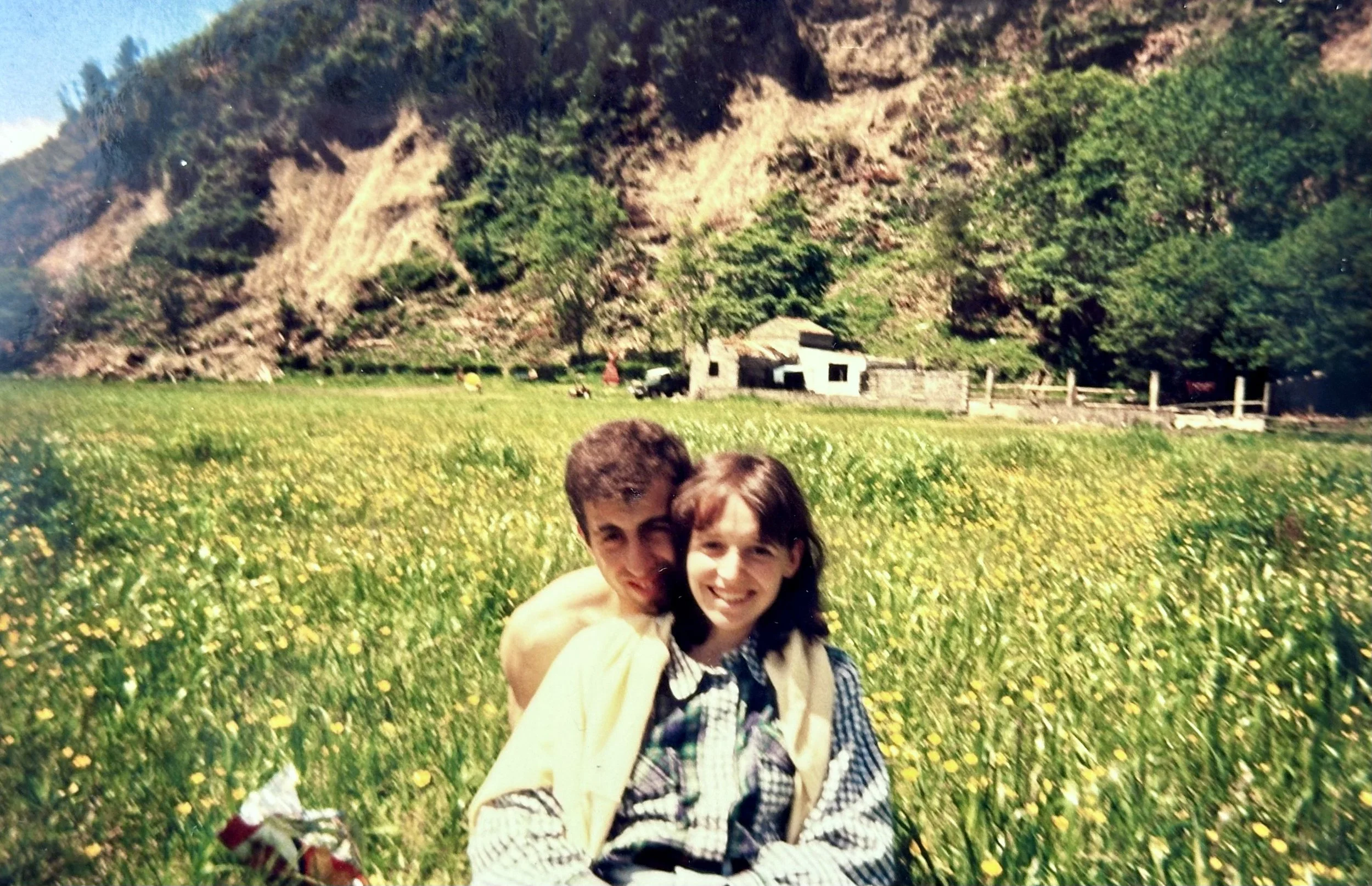
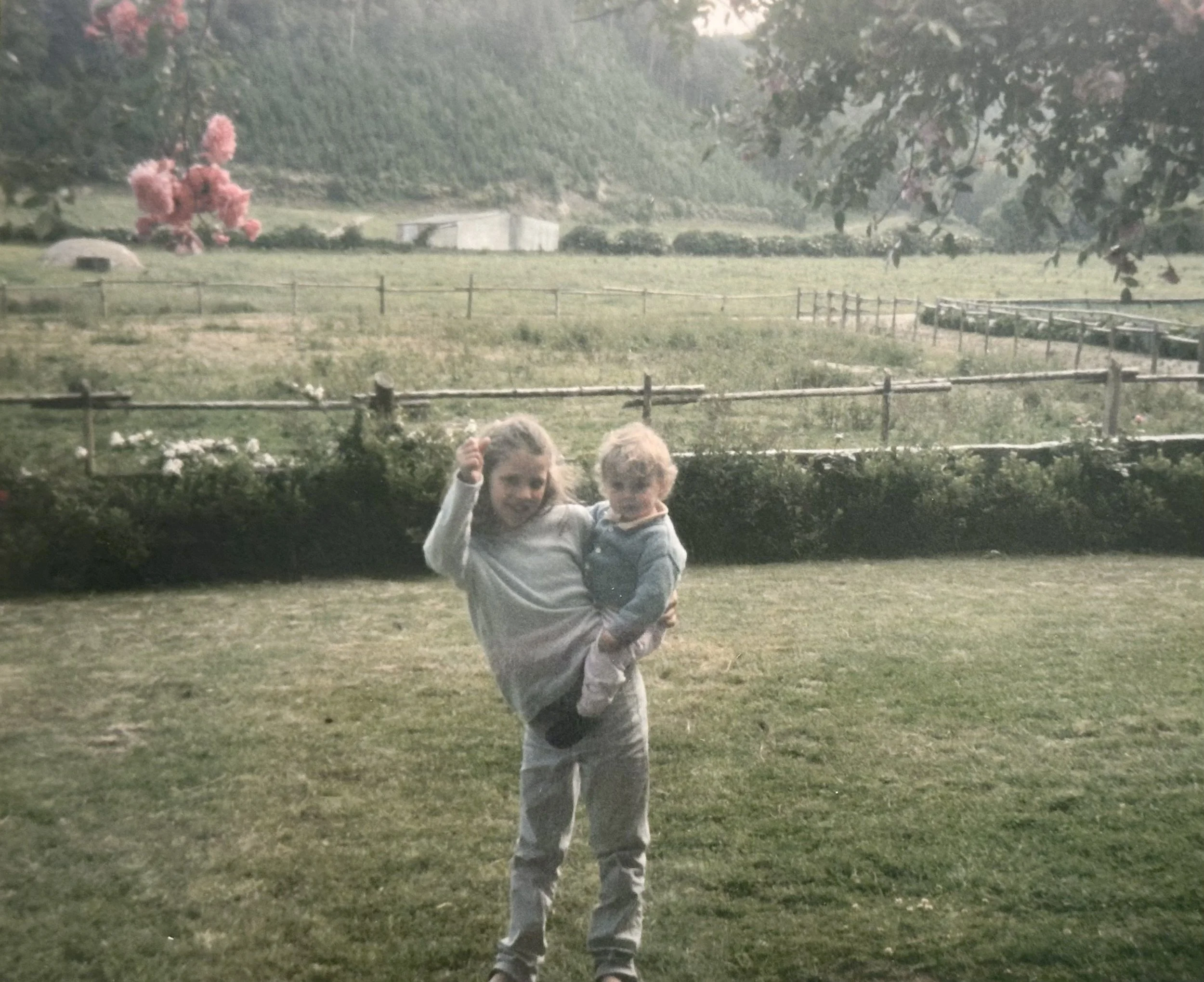
For generations, this property belonged to our family, mainly as a dairy farm. In 1998, Manuel and his wife Helena, a biologist with a deep love for nature, decided to pivot. We shifted from traditional farming to nature tourism, planting Japanese cedar woods as well as chestnut, oaks and pine woods to actively restore our land. We are proudly a nature hotel.
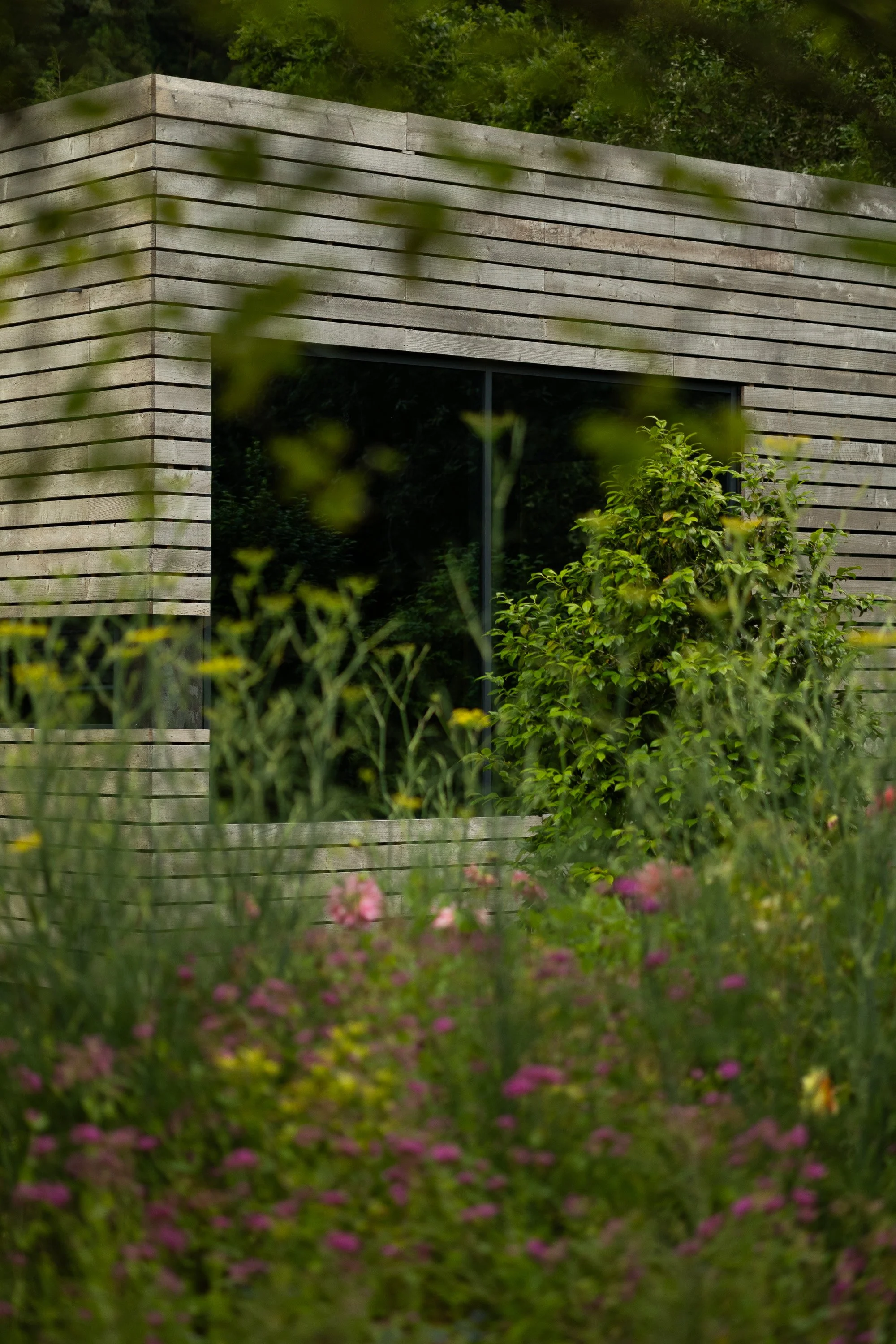
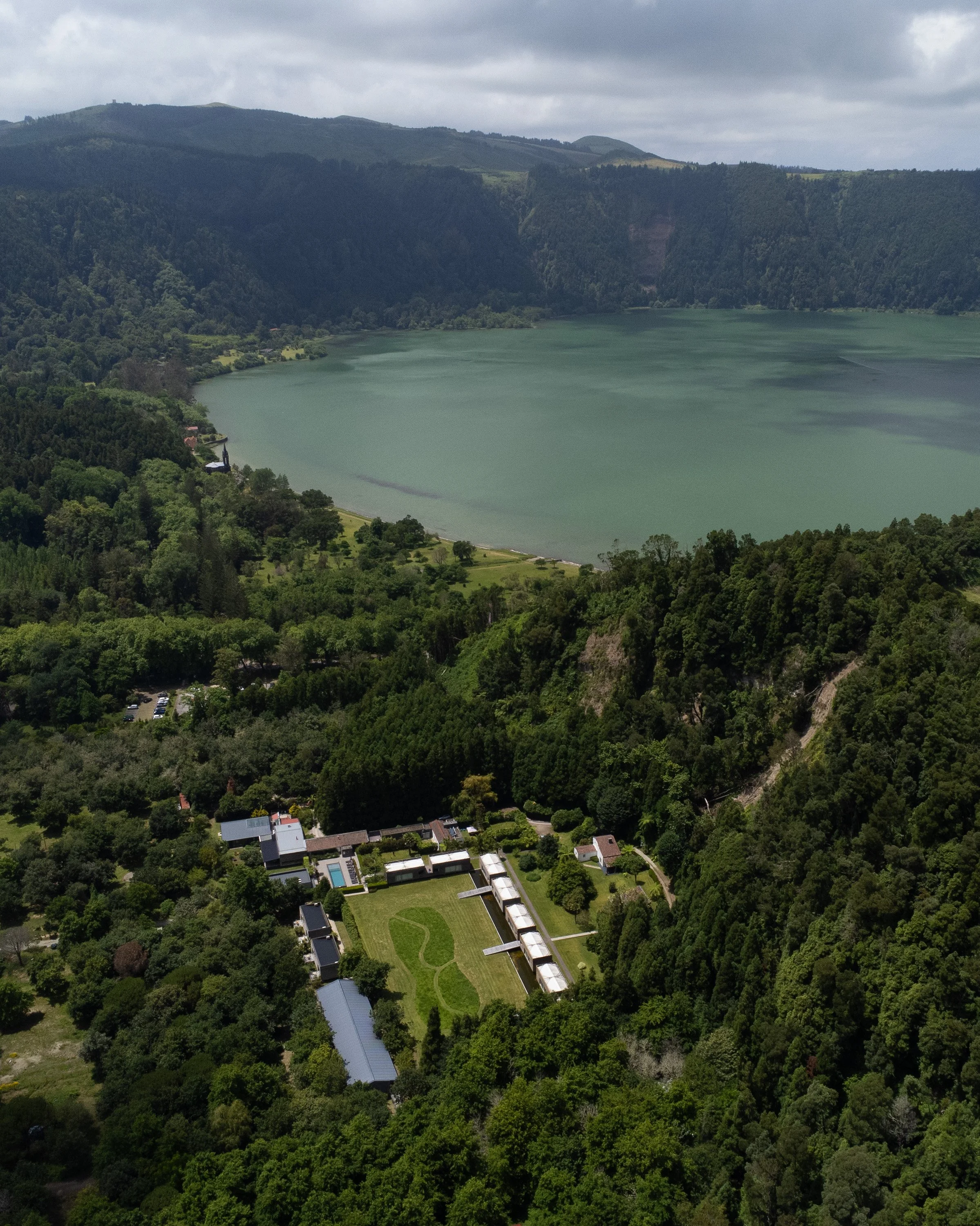
Our vision came to life in 2004 with the opening of Furnas Lake Villas. Our bold architectural project featured contemporary villas elevated to protect natural water flows and clad in the same species we grow in our estate. We were incredibly proud when this harmonious blend of modern design and environmental preservation was recognized as one of the top 10 architectural projects of 2000 by the Portuguese Architects Association and featured at the Venice Architecture Biennale.
By 2019, our ambitious agroforest was flourishing—a thriving ecosystem sheltering our farm animals and over 200 varieties of edible plants. To truly reflect this vibrant environment, we rebranded as Furnas Lake Forest Living. Today, the forest is the beating heart of our property and a lush source of fresh ingredients for our restaurant. Originally launched in 2019 as Liquen by Chef Ljubomir Stanisic, the restaurant was reborn after the pandemic as Furnas Lake Restaurant, now proudly led by Azorean Chef João Fialho.
As our sanctuary has grown, so has our vision. Through the addition of our immersive Oak Studios, a dedicated events pavilion, and our 2026 launch of new Forest Rooms and an Ayurvedic Spa, our continuous investment reflects our deep commitment to true sustainability. We are proud to prove that economic vitality and environmental preservation can beautifully nurture one another to protect our land for future generations.
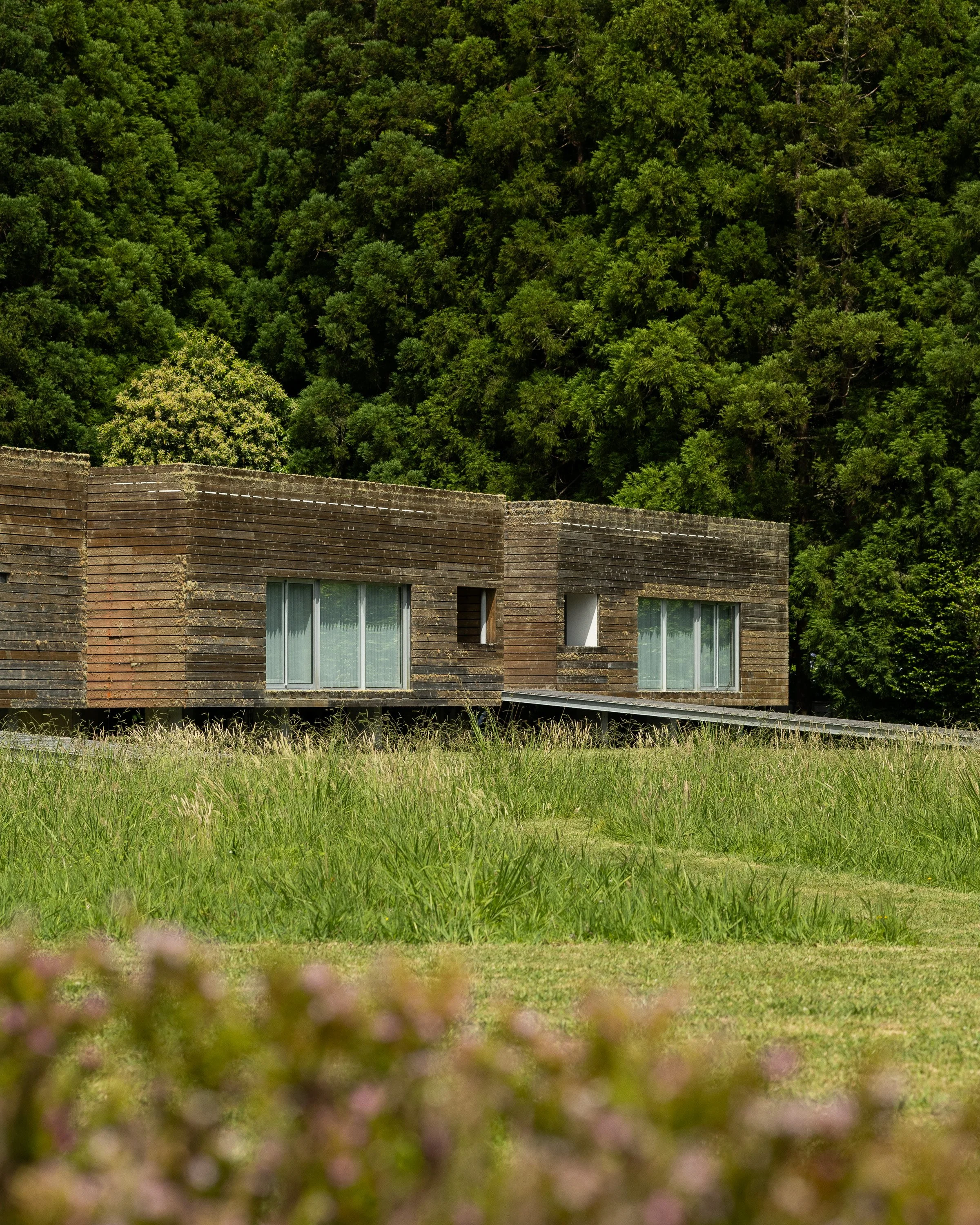
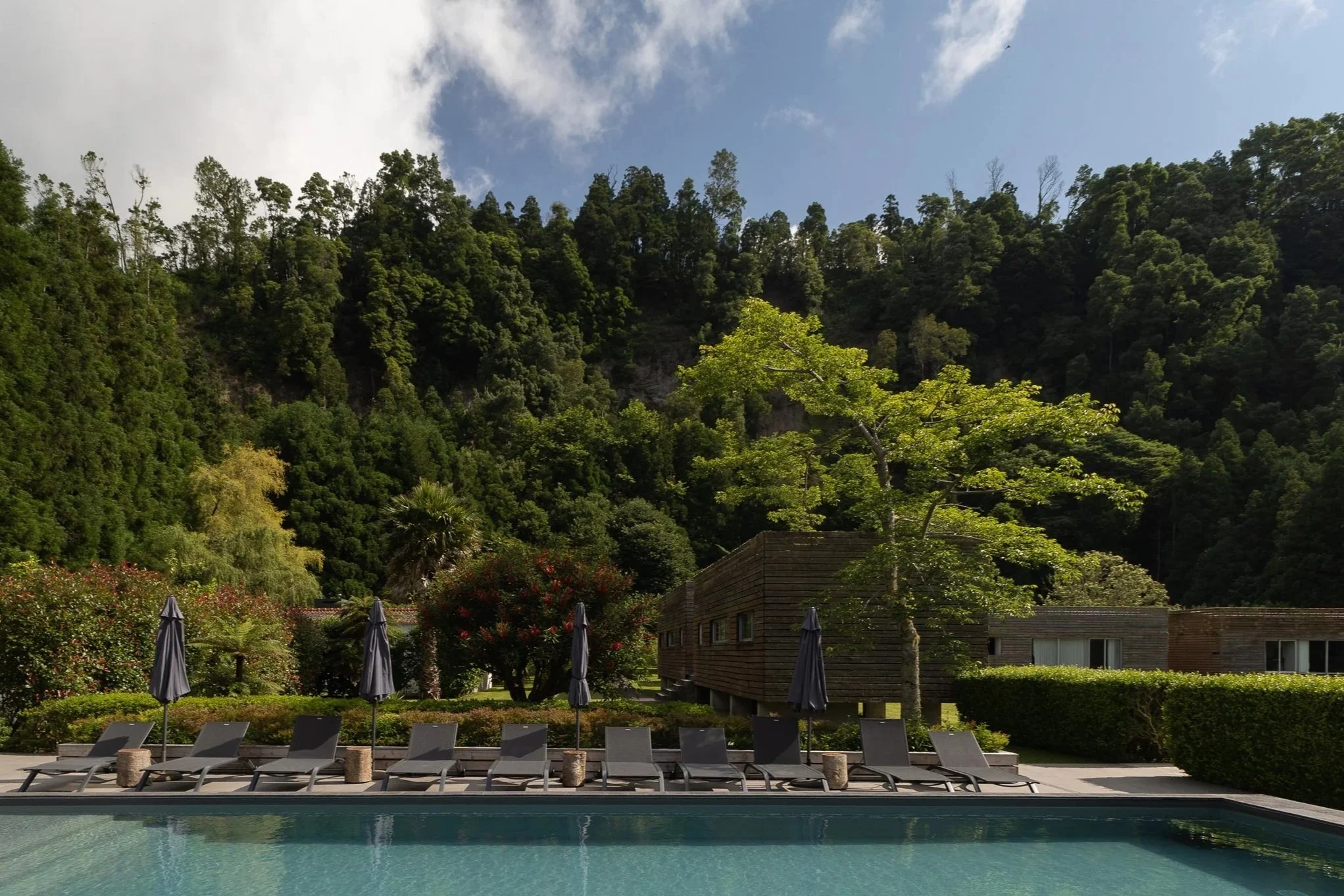
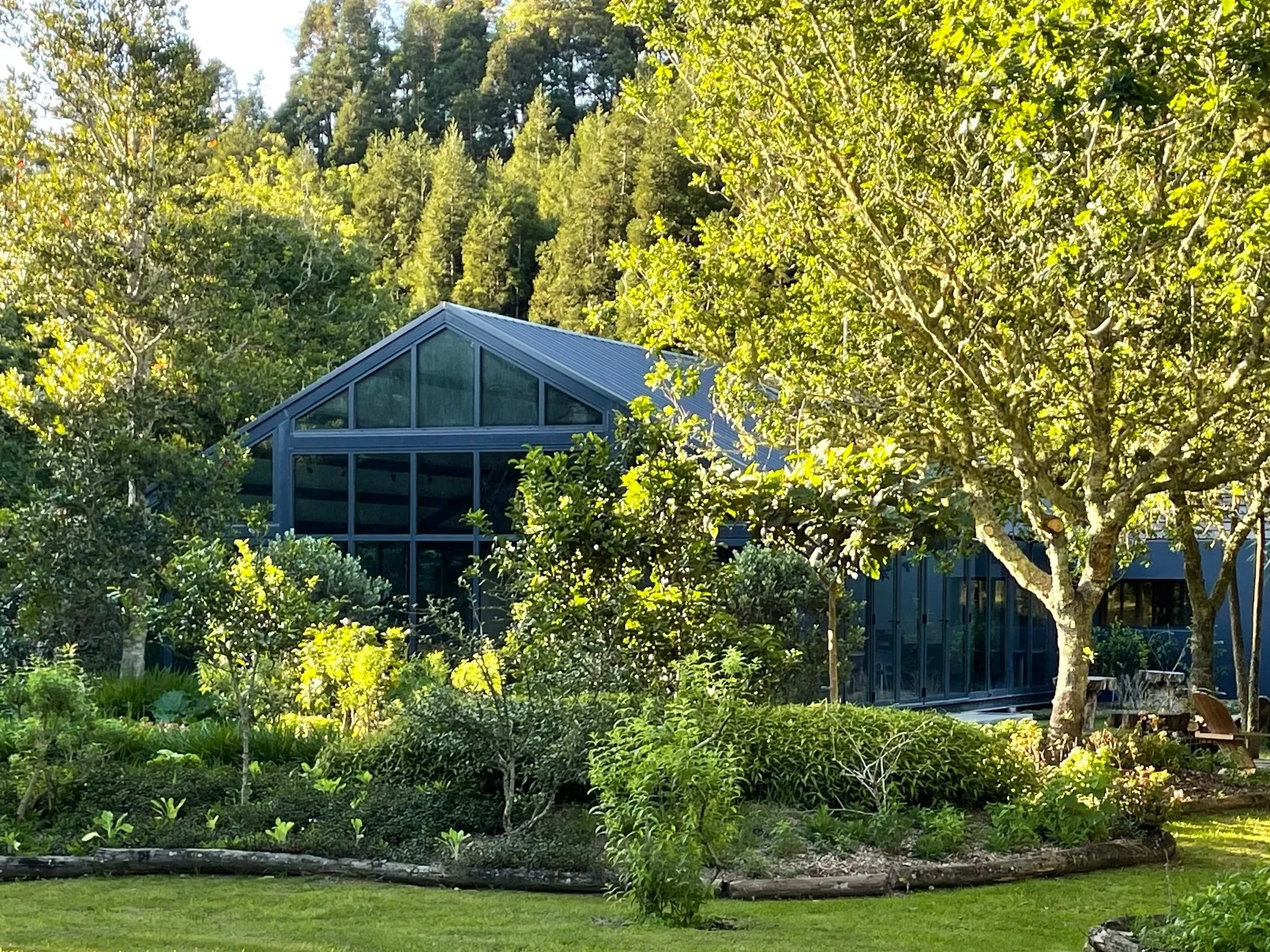
the principles of forest integration and agroforestry come alive to actively regenerate the volcanic soils
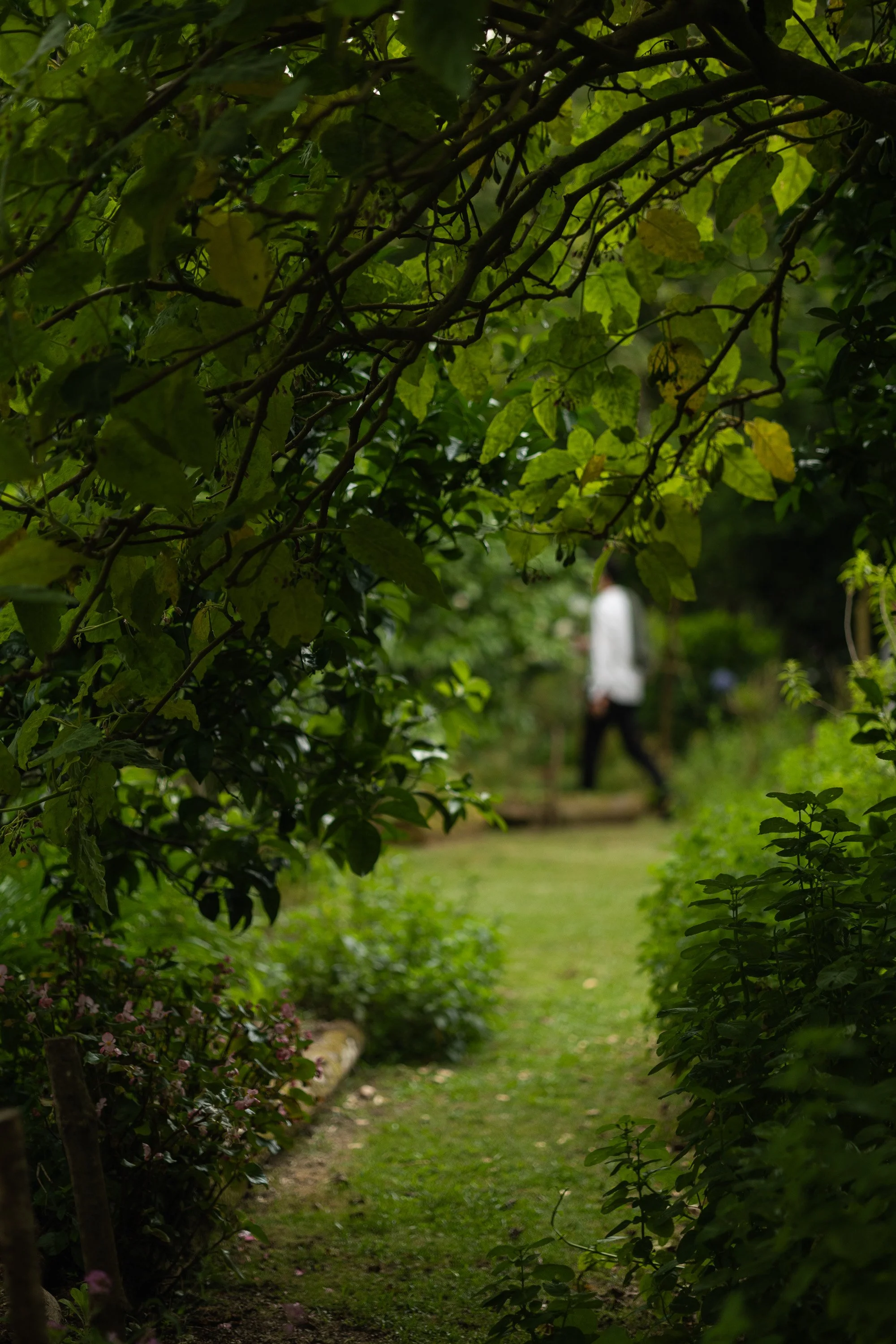
Furnas Lake Forest Living mimics the complex structure of a natural ecosystem, where the expansive root systems of carefully planted oak, chestnut and pine trees anchor the earth and prevent erosion. As these trees naturally shed their leaves and branches, they continuously blanket the ground with organic matter, fueling a vibrant soil microbiome of fungi and bacteria that accelerates nutrient cycling. Furthermore, the dense, mountainous canopy creates a protective microclimate that retains essential moisture and biodiversity. Our bees help the polinnation process, promoting the full circle of nature restoration, ultimately fostering a resilient, carbon-rich environment that not only rebuilds the land but allows guests to deeply reconnect with the healing rhythms of a thriving, living forest.